Enterprise Data Center: 4844522186, 4845099015, 4847134291, 5013929635, 5014240226, 5014579098

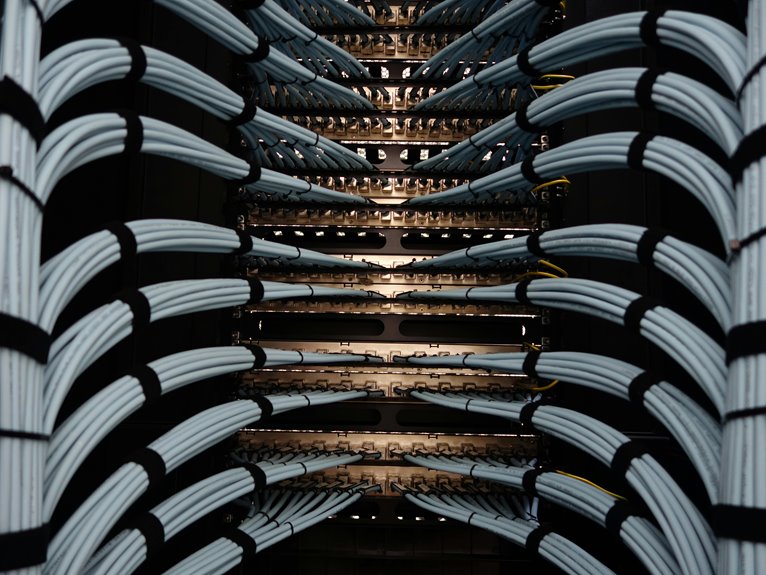
The Enterprise Data Center, represented by identifiers 4844522186, 4845099015, 4847134291, 5013929635, 5014240226, and 5014579098, serves as a backbone for enhancing operational efficiencies. These data centers are engineered for optimal resource management and data redundancy. As businesses increasingly rely on data-driven strategies, understanding their architecture and security measures becomes essential. This exploration reveals critical insights that influence future operations and technological advancements.
The Importance of Enterprise Data Centers in Modern Business
As organizations increasingly rely on data-driven decision-making, the role of enterprise data centers has become pivotal in supporting operational efficiency and strategic initiatives.
These centers enhance cost efficiency through optimized resource allocation while ensuring data redundancy to mitigate risks of data loss.
Understanding Data Center Architecture
Data center architecture serves as the foundational framework that supports the infrastructure and operations of enterprise data centers. Understanding various data center types and architecture models is crucial for optimizing performance and efficiency.
| Data Center Type | Architecture Model |
|---|---|
| Traditional | Tiered Architecture |
| Cloud | Virtualized Architecture |
| Edge | Distributed Architecture |
These elements drive operational effectiveness and scalability.
Scalability and Flexibility in Data Center Design
While the demands of business environments continue to evolve, scalability and flexibility in data center design have become paramount considerations for enterprise operations.
Effective load balancing strategies and dynamic resource allocation enable data centers to adapt to fluctuating workloads.
This adaptability not only enhances performance but also optimizes resource utilization, ensuring that enterprises can meet current and future demands efficiently.
Key Features of Identified Data Centers
Identified data centers exhibit a range of key features that enhance operational efficiency and reliability.
These attributes are crucial for achieving optimal performance and ensuring infrastructure optimization.
Key features include:
- Advanced cooling systems for improved data center efficiency
- Redundant power supplies to ensure uninterrupted operations
- Modular design for scalability
- Comprehensive monitoring tools for proactive management
Together, these elements significantly contribute to overall operational excellence.
Security Measures in Enterprise Data Centers
In enterprise data centers, security measures encompass both physical security protocols and network protection strategies to safeguard critical information assets.
Physical security protocols include access controls, surveillance systems, and environmental controls to prevent unauthorized access and mitigate risks from environmental hazards.
Concurrently, network protection strategies involve firewalls, intrusion detection systems, and encryption to defend against cyber threats and ensure data integrity.
Physical Security Protocols
Ensuring the integrity and confidentiality of data within enterprise data centers necessitates rigorous physical security protocols.
Key measures include:
- Implementing access control systems to restrict unauthorized entry
- Utilizing surveillance systems for continuous monitoring
- Conducting regular security audits and risk assessments
- Providing employee training on incident response and the importance of physical barriers
These protocols collectively fortify perimeter security and safeguard sensitive information.
Network Protection Strategies
Effective network protection strategies are essential for safeguarding data integrity and confidentiality within enterprise data centers. Implementing robust network segmentation can significantly reduce attack surfaces, while advanced threat detection mechanisms ensure timely identification of vulnerabilities. Together, these strategies form a comprehensive defense framework that empowers organizations to maintain their operational freedom while mitigating potential risks.
| Strategy | Description | Benefits |
|---|---|---|
| Network Segmentation | Divides networks into segments | Limits lateral movement |
| Threat Detection | Monitors for suspicious activities | Enables rapid response |
| Firewalls | Controls incoming and outgoing traffic | Prevents unauthorized access |
| Intrusion Detection | Identifies and responds to breaches | Enhances overall security |
The Future of Data Centers and Emerging Technologies
The evolution of data centers is increasingly influenced by emerging technologies such as artificial intelligence, which promises to enhance operational efficiency through automation and predictive analytics.
Additionally, the expansion of edge computing is reshaping data processing capabilities, enabling real-time data analysis closer to the source.
Concurrently, the integration of sustainable energy solutions is becoming critical, addressing the environmental impact of data center operations while ensuring resilience and reliability.
AI Integration in Operations
As enterprises increasingly seek to optimize their data center operations, the integration of artificial intelligence (AI) emerges as a transformative force.
Key benefits include:
- Enhanced AI automation for routine tasks
- Advanced predictive analytics for resource management
- Improved uptime through real-time monitoring
- Data-driven decision-making processes
This integration not only streamlines operations but also fosters a more agile and responsive data center environment.
Edge Computing Expansion
While traditional data centers have served as the backbone of enterprise IT infrastructure, the emergence of edge computing is redefining how organizations manage and process data. Edge analytics enables real-time decision-making, facilitating a shift towards decentralized infrastructure. This evolution supports enhanced efficiency and responsiveness, positioning organizations to capitalize on data-driven opportunities.
| Aspect | Traditional Data Center | Edge Computing |
|---|---|---|
| Data Processing | Centralized | Decentralized |
| Latency | Higher | Lower |
| Scalability | Limited | Highly scalable |
Sustainable Energy Solutions
Sustainable energy solutions are becoming a critical focus for the future of data centers, driven by increasing energy demands and environmental awareness.
Key components include:
- Renewable energy sources, such as solar power and wind energy
- Enhanced energy efficiency through innovative designs
- Advanced energy storage systems for grid integration
- Adoption of clean technologies for reducing carbon footprint
These practices support sustainable operations and promote green certification.
Conclusion
In conclusion, the enterprise data centers identified by numbers 4844522186, 4845099015, 4847134291, 5013929635, 5014240226, and 5014579098 stand as pillars of modern organizational infrastructure, embodying the intricate dance of efficiency and security. As businesses navigate an increasingly data-driven landscape, these facilities not only safeguard critical information but also enhance operational agility. Thus, the question arises: in an era where data is currency, how can organizations afford to overlook such indispensable assets?