Global Market Insights: 29999049, 626536254, 7342342011, 685583038, 9493175442, 8442606536

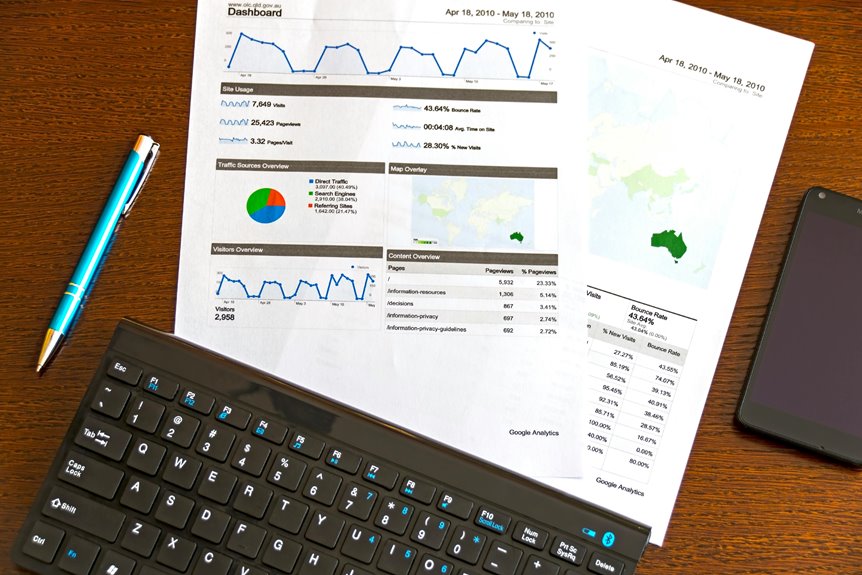
Global market insights, represented by key data points such as 29999049 and 626536254, offer a framework for understanding economic dynamics. These figures reveal underlying trends that can significantly influence business strategies. By analyzing these statistics, organizations can identify opportunities and threats in their respective markets. However, the implications of these insights extend beyond mere observation. What specific strategies can businesses adopt to leverage this information effectively? The answers may redefine competitive positioning.
Understanding the Importance of Market Insights
Understanding the importance of market insights is crucial for organizations aiming to navigate the complexities of today’s economy. Effective insight generation enhances market relevance by informing strategic planning and market forecasting.
Analyzing consumer behavior through data interpretation allows businesses to adapt within a competitive landscape. Furthermore, trend analysis facilitates proactive responses to shifts, ensuring organizations maintain a robust position in an ever-evolving marketplace.
Analyzing the Data Points: What They Reveal
While analyzing data points may seem straightforward, the insights they yield can be profound and multifaceted.
Effective data visualization enhances understanding, revealing underlying patterns and relationships. By employing trend forecasting, analysts can identify potential market shifts, enabling informed decision-making.
These techniques empower stakeholders to anticipate changes, fostering a proactive approach in navigating the complexities of the global market landscape.
Industry Trends and Patterns From Key Figures
As analysts delve into key figures, they uncover significant industry trends and patterns that inform strategic decisions.
Key insights include:
- Shifts in consumer behavior towards sustainable products
- Fluctuations in pricing strategies influenced by global competition
- Technological advancements reshaping supply chain dynamics
- Regulatory impacts driving demographic shifts
Understanding these market dynamics and economic indicators is crucial for adapting to evolving industry landscapes.
The Impact of Market Insights on Business Strategies
Market insights play a critical role in shaping business strategies by facilitating data-driven decision making.
Organizations that leverage these insights can identify emerging trends and consumer preferences, allowing them to develop competitive advantage strategies effectively.
Consequently, the integration of market insights into strategic planning is essential for maintaining relevance and responsiveness in a dynamic marketplace.
Data-Driven Decision Making
In an increasingly competitive business landscape, companies that leverage data-driven decision-making often gain a significant edge over their rivals.
The integration of data visualization and predictive analytics allows organizations to:
- Uncover hidden trends
- Anticipate market shifts
- Optimize resource allocation
- Enhance customer satisfaction
These insights empower businesses to navigate complexities, fostering strategic agility and informed choices that align with their vision for growth and freedom.
Competitive Advantage Strategies
Harnessing market insights is essential for companies seeking to develop effective competitive advantage strategies.
By understanding market dynamics, businesses can refine their competitive positioning and enhance value differentiation. These insights enable organizations to identify gaps, tailor products, and anticipate consumer needs, ultimately fostering innovation.
Consequently, leveraging market intelligence empowers firms to maintain a sustainable edge in increasingly competitive landscapes.
Case Studies: Success Stories Driven by Data Analysis
The application of data-driven decision making has transformed numerous businesses, leading to significant improvements in performance and market positioning.
Case studies reveal tangible examples where organizations have harnessed data analysis to inform strategy and achieve measurable success.
Data-Driven Decision Making
Data-driven decision making has transformed numerous industries, enabling organizations to enhance operational efficiency and drive growth.
By leveraging data visualization and predictive analytics, companies can:
- Identify trends and opportunities
- Optimize resource allocation
- Improve customer satisfaction
- Foster innovation
These success stories underline the power of data, illustrating a pathway to informed choices that support autonomy in business strategies and operations.
Real-World Impact Examples
Organizations across various sectors have successfully implemented data analysis to achieve remarkable outcomes, demonstrating the tangible benefits of data utilization. These case studies highlight how data-driven strategies can enhance market dynamics, optimize pricing strategies, and inform investment strategies, ultimately driving growth opportunities and effective risk management.
| Sector | Success Example |
|---|---|
| Retail | Improved consumer behavior insights |
| Finance | Enhanced economic forecasts |
| Technology | Innovation trends leading to growth |
Future Predictions Based on Current Market Insights
While current market insights provide a valuable foundation, they also serve as a crucial lens through which future trends can be anticipated.
Market forecasts and growth projections suggest significant shifts, including:
- Increased consumer demand for sustainable products
- Advancements in technology reshaping industries
- Global economic fluctuations impacting investments
- Emerging markets driving innovation
These elements collectively indicate a dynamic landscape where adaptability is essential for success.
Conclusion
In conclusion, the data points presented serve as a modern-day oracle, illuminating pathways for businesses navigating the turbulent waters of the global market. By embracing these insights, companies can not only forecast trends but also adapt and thrive amidst uncertainty, reminiscent of Odysseus steering his ship through treacherous seas. Ultimately, a data-driven strategy transforms potential challenges into opportunities, ensuring organizational resilience and relevance in an ever-evolving economic landscape.