Breech presentation occurs when the fetus enters the birth canal buttocks or feet first, rather than head first. Clinicians confirm orientation through physical examination and imaging as term nears. Understanding breech types—complete, frank, and footling—helps gauge labor risks such as cord prolapse, birth trauma, and dystocia. Management involves careful intrapartum monitoring and evaluating delivery options, including vaginal breech or cesarean, and considering interventions like external cephalic version when appropriate, with outcomes dependent on context and skilled care.
What Breech Presentation Means in Pregnancy
Breech presentation refers to the fetus entering the birth canal buttocks or feet first, rather than the typical head-first (cephalic) position. In pregnancy, this orientation acknowledges varied fetal positions near term and their implications for delivery.
Clinical assessment informs feasible alternatives, balancing safety and autonomy.
Cultural considerations influence preferences and access to options, guiding respectful, patient-centered decision-making within evidence-based care.
Diagnosing Breech: How Doctors Spot It
Diagnosing breech presentation relies on systematic assessment and verification of fetal position as pregnancy advances. Clinicians rely on routine palpation, fetal heart monitoring, and serial examinations to confirm stable breech alignment.
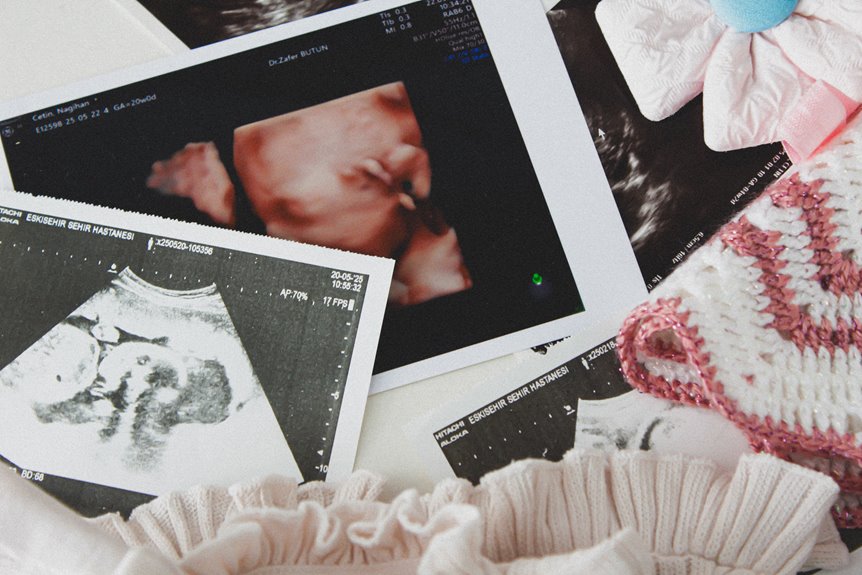
Ultrasound cues provide definitive evidence, identifying fetal orientation when physical findings are equivocal.
The term breech diagnosis reflects objective confirmation, guiding counseling, planning, and options without unnecessary delay.
Continuous surveillance supports informed, patient-centered decisions.
Types and Risks of Breech Birth
There are several distinct presentations of breech birth that carry different clinical implications and management considerations. Types include complete, frank, and footling breech, each associated with characteristic fetal positions and labor dynamics. Risks encompass cord prolapse, birth trauma, and labor dystocia. Breech positioning influences obstetric decisions; fetal leg positioning may alter delivery technique and assessment, underscoring careful intrapartum monitoring and evidence-based selection of modality.
Managing Breech: From Monitoring to Delivery Options
Optimal management of breech presentations requires vigilant intrapartum monitoring and a structured assessment of delivery options, balancing fetal status, labor progression, and maternal factors.
Clinicians evaluate continuous surveillance, mother and fetus safety, and trajectory toward either planned cesarean or vaginal breech birth when feasible.
Breech exercises and external cephalic version are considered to optimize outcomes and reduce unnecessary interventions.
Conclusion
Breech presentation, while uncommon at term, demands precise assessment and tailored planning to minimize risk. Clinicians rely on imaging and examination to determine type and position, guiding decisions about monitoring and delivery. The coincidence lies in how fetal type often aligns with obstetric readiness: comprehensive intrapartum vigilance, appropriate use of external cephalic version when feasible, and clear criteria for cesarean or vaginal breech delivery converge to optimize outcomes for both mother and fetus. Evidence-based protocols underpin these coordinated choices.