Corporate Insights Dashboard: 961121210, 914022100, 622092044, 911190841, 946092050, 371551101

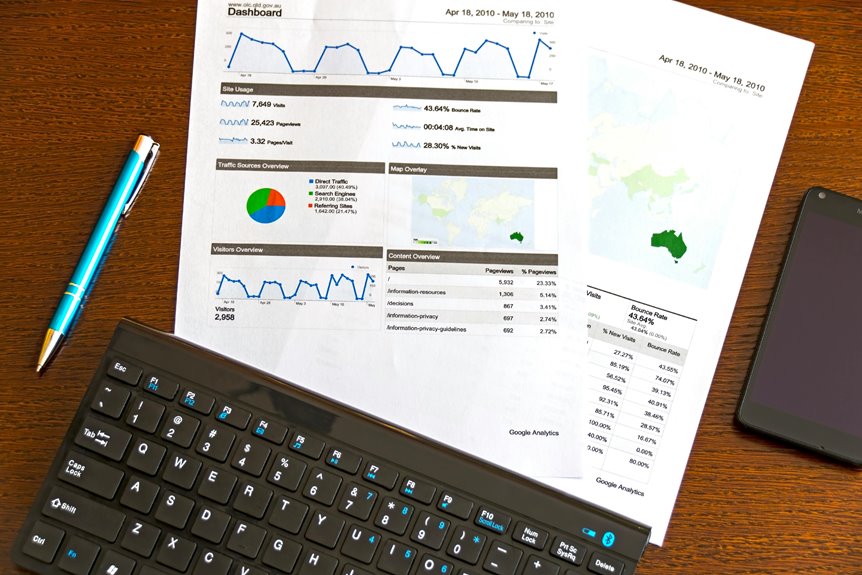
The Corporate Insights Dashboard serves as a critical tool for organizations seeking to enhance their decision-making processes. It employs unique identifiers to streamline data organization, allowing stakeholders to access vital metrics efficiently. With features designed for customization, the dashboard empowers users to analyze trends effectively. However, understanding the implications of these identifiers and how to utilize them remains key to maximizing the dashboard’s potential. What insights lie beneath the surface?
Key Features of the Corporate Insights Dashboard
The Corporate Insights Dashboard offers a suite of key features designed to enhance decision-making processes within organizations.
Central to its effectiveness are dashboard usability and feature integration, enabling users to intuitively navigate complex data sets.
The seamless combination of analytical tools fosters a transparent environment, empowering stakeholders to make informed choices that promote autonomy and strategic growth within their respective domains.
Understanding the Identifiers: What They Represent
Identifiers serve as crucial elements within the Corporate Insights Dashboard, acting as unique markers that facilitate the organization and retrieval of data. Their significance lies in effective data categorization, allowing users to quickly identify relevant information for analysis. This structured approach enhances decision-making and streamlines processes.
| Identifier | Significance | Data Category |
|---|---|---|
| 961121210 | Financial Performance | Revenue |
| 914022100 | Market Trends | Consumer Insights |
| 622092044 | Operational Efficiency | Productivity |
How to Navigate the Dashboard Effectively
Navigating the Corporate Insights Dashboard requires a clear understanding of its key metrics overview, which provides essential performance indicators at a glance.
Users can enhance their experience through various customization options, tailoring the dashboard to meet specific analytical needs.
This strategic approach not only improves efficiency but also enables more informed decision-making.
Key Metrics Overview
Understanding the layout of the Corporate Insights Dashboard is crucial for deriving actionable intelligence from key metrics.
Users can effectively monitor key performance indicators by ensuring data accuracy, which underpins informed decision-making.
Familiarity with the dashboard’s sections allows for swift navigation, enabling stakeholders to identify trends and anomalies.
This strategic approach empowers organizations to harness their data for enhanced operational freedom and performance optimization.
Customization Options Available
While the Corporate Insights Dashboard provides a robust framework for data analysis, its true potential is unlocked through customization options that cater to specific user needs.
Users can create tailored custom reports by adjusting filters and visualizations according to their preferences. This flexibility enhances the user experience, allowing individuals to focus on relevant data, ultimately fostering informed decision-making aligned with their unique business objectives.
Analyzing Trends and Metrics
Analyzing trends and metrics is essential for organizations seeking to drive informed decision-making and strategic planning.
Through trend analysis, businesses can identify patterns and shifts in performance, while metric evaluation allows for a quantitative assessment of key indicators.
This dual approach empowers organizations to adapt proactively, fostering agility and resilience in a dynamic market landscape, ultimately enhancing their competitive edge.
Best Practices for Leveraging Insights
Effective utilization of insights requires a multifaceted approach that encompasses data visualization techniques, real-time analytics, and cross-department collaboration.
By employing robust visualization strategies, organizations can enhance comprehension of complex data sets, while real-time analytics facilitate timely decision-making.
Additionally, fostering collaboration across departments ensures that insights are not siloed, thus amplifying their impact on overall business strategy.
Data Visualization Techniques
Data visualization serves as a powerful tool for transforming complex datasets into comprehensible insights. By employing effective visualization tools, organizations can enhance data storytelling, enabling stakeholders to grasp underlying narratives. Implementing best practices ensures clarity and engagement, crucial for informed decision-making.
| Visualization Type | Purpose | Tool Examples |
|---|---|---|
| Bar Charts | Compare categories | Tableau, Power BI |
| Line Graphs | Show trends over time | Google Charts, D3.js |
| Heat Maps | Display data density | Qlik, Excel |
| Pie Charts | Illustrate proportions | Infogram, Chart.js |
| Scatter Plots | Identify correlations | R, Python Matplotlib |
Real-Time Analytics Utilization
Harnessing the power of real-time analytics enables organizations to respond swiftly to emerging trends and shifts in consumer behavior.
Effective real-time monitoring ensures data accuracy, allowing businesses to make informed decisions.
Cross-Department Collaboration Strategies
Collaboration across departments serves as a catalyst for leveraging insights effectively within an organization.
By utilizing communication tools and collaborative platforms, teams can enhance synergy and ensure project alignment.
Establishing role clarity and shared goals fosters joint initiatives, while implementing feedback loops aids in conflict resolution.
Monitoring success metrics further refines strategies, ultimately driving holistic organizational growth and innovation.
Future Developments and Enhancements
As organizations increasingly recognize the value of data-driven decision-making, the future of corporate insights dashboards is poised for significant evolution.
Key developments may include:
- Enhanced future integrations with AI and machine learning
- Real-time analytics capabilities for immediate insights
- Increased emphasis on user feedback for continuous improvement
- Customization options that empower user autonomy
These advancements promise to foster a more responsive and adaptable decision-making environment.
Conclusion
In conclusion, the Corporate Insights Dashboard serves as a compass in the vast ocean of organizational data, guiding stakeholders through the complexities of metrics like Revenue and Consumer Insights. Its unique identifiers streamline navigation, while customizable features empower users to adapt strategies dynamically. By effectively analyzing trends, organizations can not only respond to market changes but also cultivate a proactive stance, positioning themselves for sustained competitive advantage in an ever-evolving landscape.